
Company&Product

-
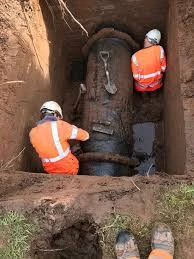 Leaking DI Pipe be Repaired without Shutting it Off. In this article, we'll explore the technology behind no-shutdown repair, with a special focus on DINSEN's innovative pipe couplings, which have become the go-to solution for ductile iron pipes and other common materials.Read more
 -
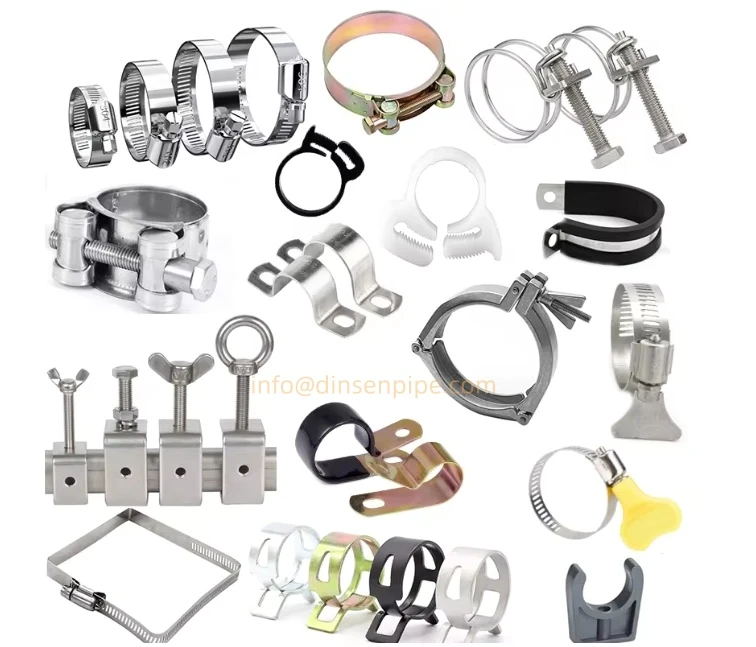 In industrial piping systems, automotive repair, and even everyday household plumbing, we frequently encounter situations requiring the connection of hose clamps and fittings. In these cases, a small component often determines the fate of the entire system—the fastener. However, most people are unclear about the difference between "hose clamps" and "hose clips" when purchasing them. Today, we'll thoroughly clarify the relationship between these two and tell you how to eliminate potential problems by choosing high-quality products (such as DINSEN hose clamps).Read more
 -
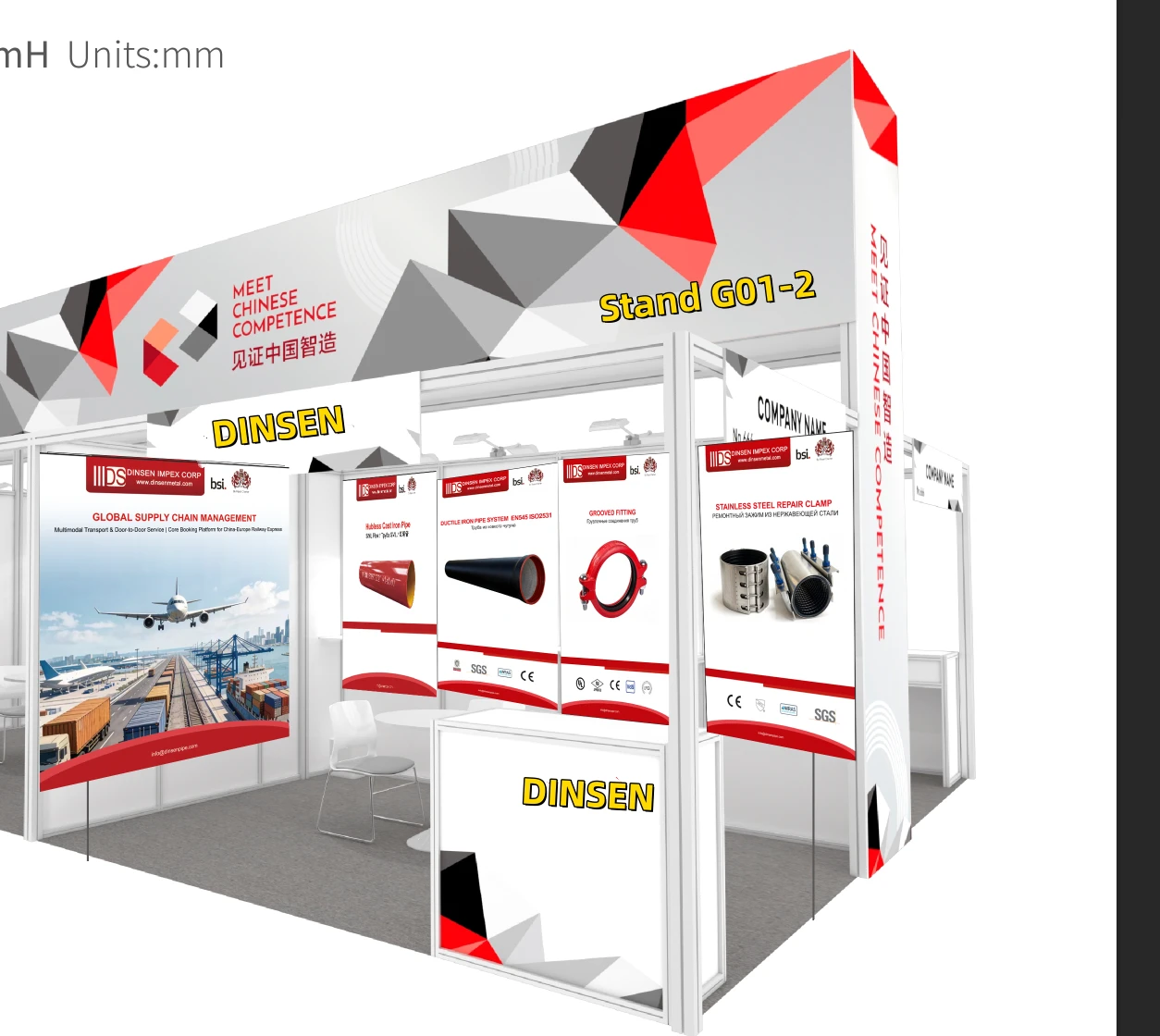 2026 marks the inaugural year of DINSEN’s global brand strategy. In this milestone year, DINSEN will accelerate its brand marketing process with a powerful "Two-Exhibition Synergy, Global Launch" featuring its core product portfolio. We sincerely invite global partners to join us in Düsseldorf, Germany, and Guangzhou, China, to witness the brand launch of DINSEN.Read more
 -
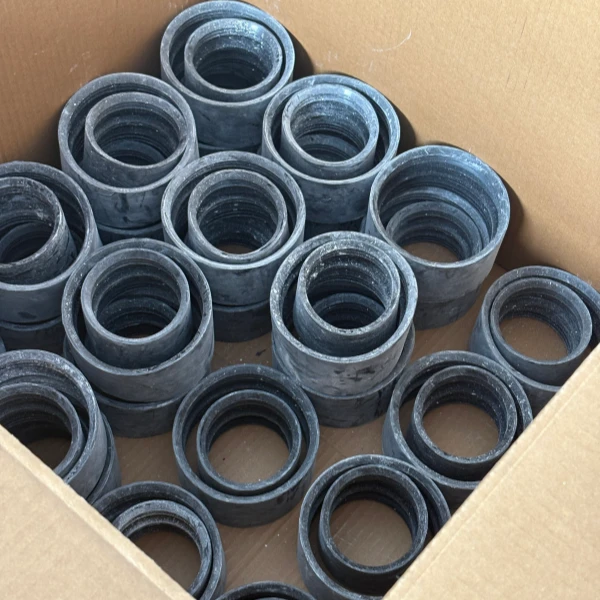 In the field of pipeline repair and maintenance, Stainless steel pipe couplings are core equipment for solving leak problems. However, many people focus only on the shell material when purchasing them, neglecting the crucial component that truly determines sealing performance—the rubber sealing ring.Read more
 -
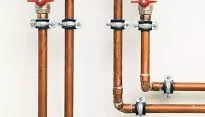 Will stainless steel pipe clamp react with copper pipe? This article will provide an in-depth answer to this core question from three perspectives: chemical reaction principles, engineering specifications, and product selection. It will also introduce the professional advantages of DINSEN stainless steel clamps in solving such application scenarios.Read more
 -
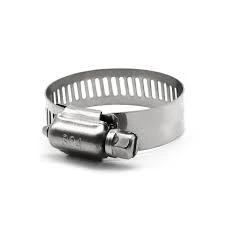 This article will systematically outline the core components and typical application scenarios of a home water system, and introduce a connection solution widely used in the North American and European markets: DINSEN stainless steel pipe couplings (Pipe Clamp on PEX), to help you understand how to achieve efficient, safe, and durable pipe connections in a home water supply lines.Read more
 -
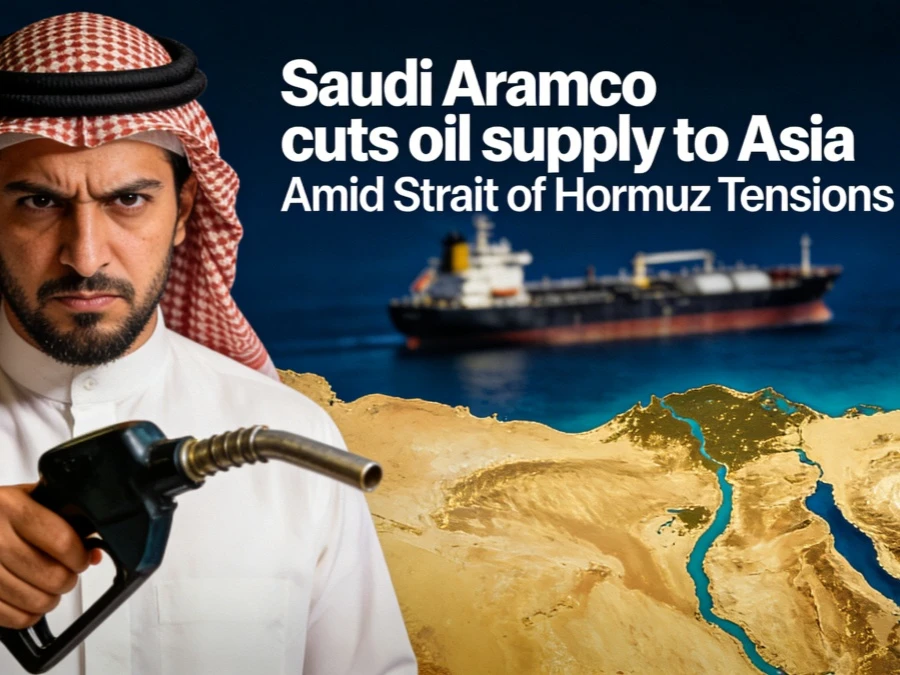 Saudi Aramco, the world's top oil exporter, has cut crude supply to Asian buyers for a second month in April, two sources with knowledge ...Read more
 -
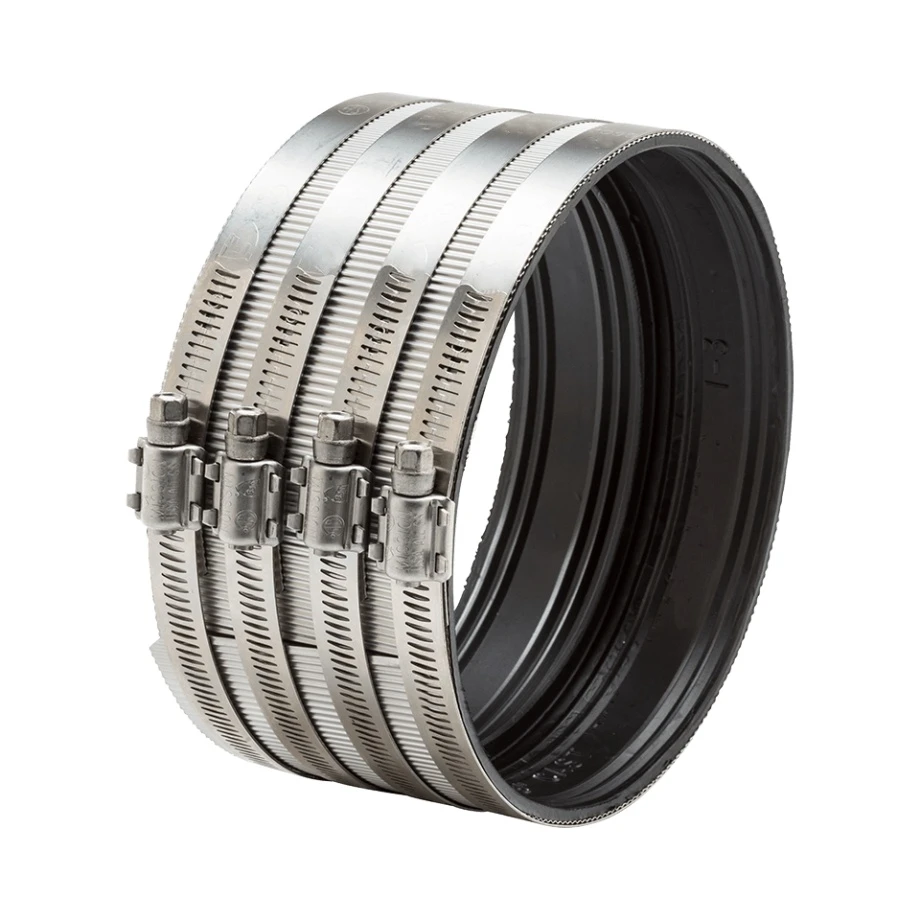 No Hub Coupling have become the mainstream choice for flexible joint ductile iron pipe connections due to their convenient installation, reliable sealing, and strong spatial adaptability. No Hub Coupling Assemby Used For Ductile Iron Pipe Connections.Read more
 -
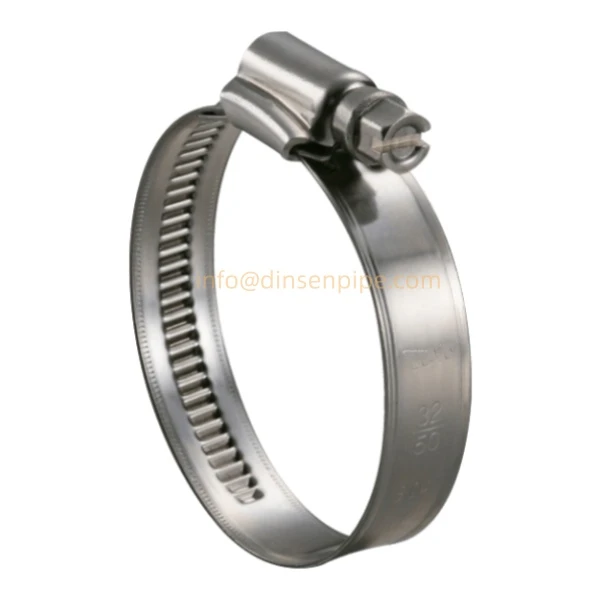 Discover how to select the ideal metal tube clamp for your projects. Learn about types, installation tips, and key factors to consider.Read more
 -
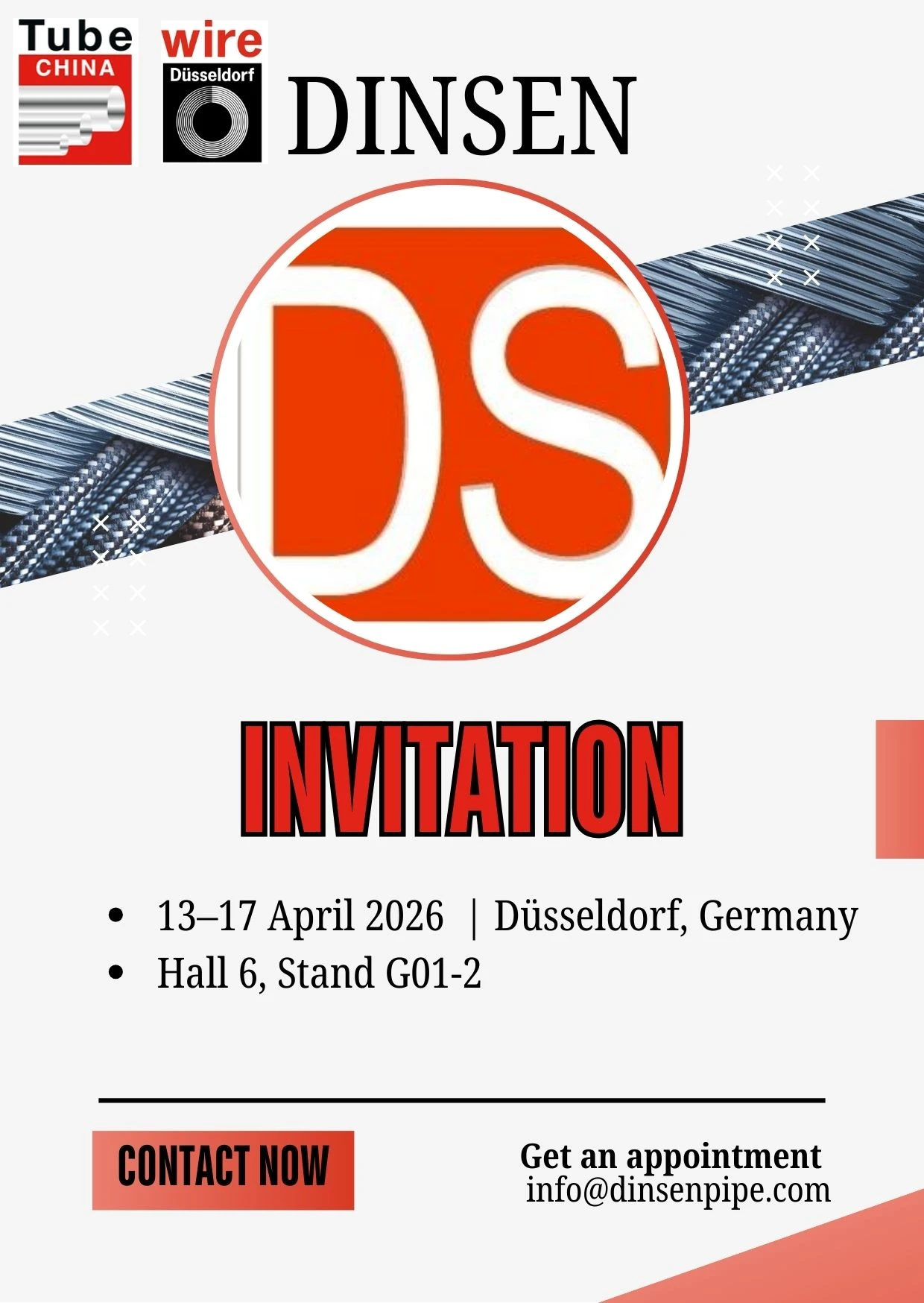 As April 13, 2026 approaches, the global tubing and wire industry's attention will once again bRead more
 -
Looking for the strongest hose clamp? In-depth analysis from torque testing to 1000-hour salt spray test.Read more
-
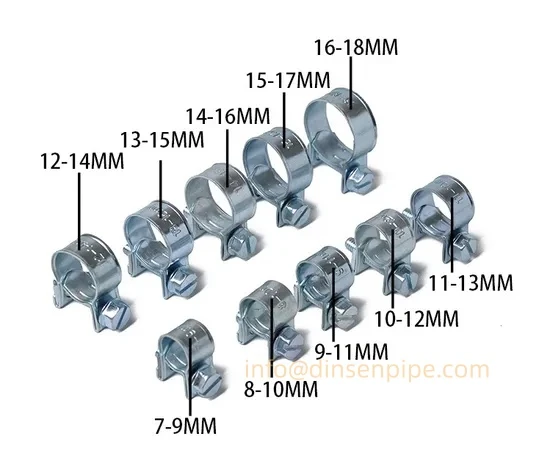 When upgrading high-performance engines or repairing fuel systems, many technicians ask, "Can rubber hose clamps be used with fuel injection systems?" The answer is yes, but the key is choosing the right high-pressure fuel hose and, crucially, the fuel line clamp. Incorrect pairings can lead to fuel leaks or even fires. This article will delve into the pressure requirements of fuel injection systems and recommend DINSEN's high-quality rubber hose clamp, teaching you how to ensure a safe, durable, and leak-free connection.Read more
 English
  Arabic
  Bengali
  Bosnian
  China
China  Danish
  Dutch
Dutch  French
  German
  Hausa
Hausa  Hindi
Hindi  Italian
  Japanese
  Javanese
  Malay
Malay  Portuguese
  Russian
  Spanish
  Urdu
Urdu  Vietnamese