
How to Use Hose Clamp
In modern industrial, construction, and civil applications, hose-to-pipe connections are ubiquitous, from grand factory pipelines to household water supply links. The key to ensuring these connections are secure, sealed, and leak-free often lies in a seemingly insignificant yet crucial component—the klem selang.
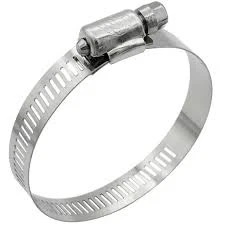
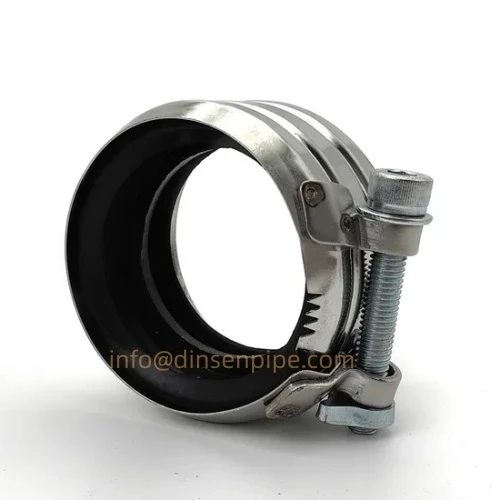
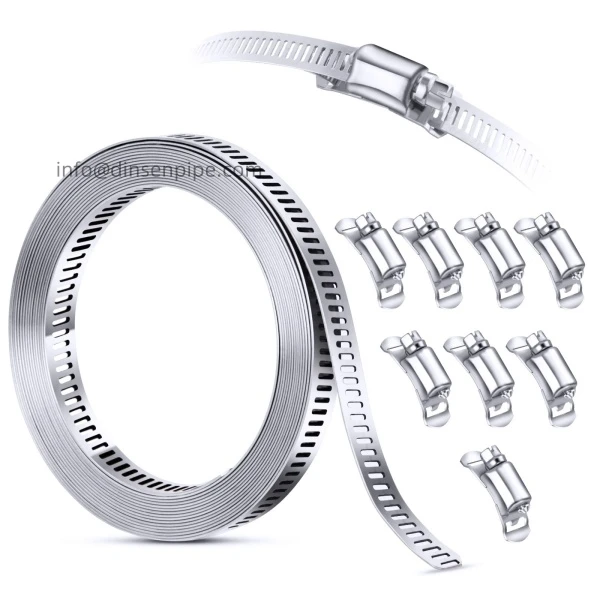
Hose clamps, also known as clamps, primarily use bolts to evenly tighten the connection between the hose and pipe at a 360-degree angle. Compared to traditional wire binding, modern hose clamps offer significant advantages such as even stress distribution, superior sealing, easy adjustment, and strong corrosion resistance. Based on their structure, they are mainly divided into:
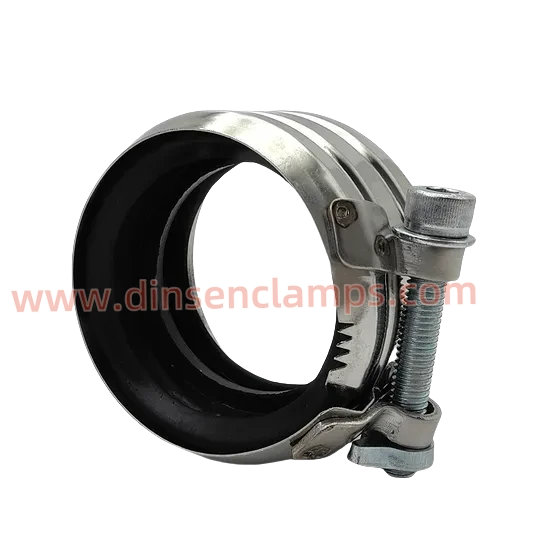
1. British-style hose clamps: Robust structure, high pressure resistance, widely used in high-pressure environments such as automobiles, ships, and construction machinery.
2. Clamp Selang Tipe Amérika: Equipped with a worm gear self-locking mechanism, operable with one hand, offering high locking efficiency, and popular in fire protection, water supply, and air conditioning/ventilation fields.
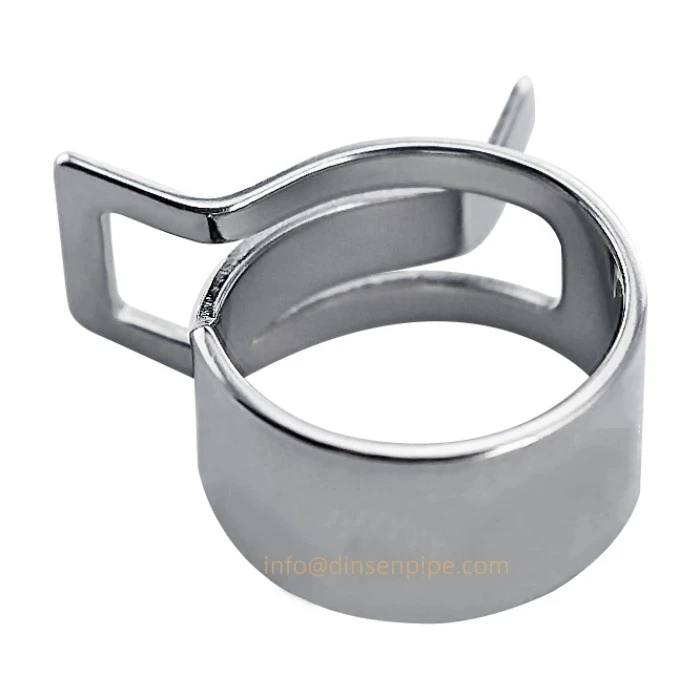
3. Klem Selang Tipe Jerman kanthi Kunci Asimetris: Boltless design, quick installation, often used in applications with stringent space requirements.
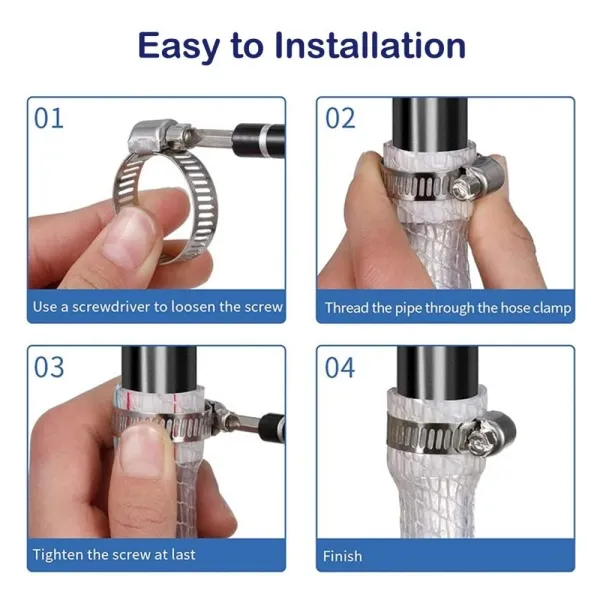
Hose clamps how to use is crucial:
- Pre-positioning: First, attach the hose to the pipe, ensuring sufficient insertion depth (generally recommended to be at least 1.5 times the pipe diameter).
- Applying the hose clamp: Loosely slip the hose clamp onto the hose connection, being careful not to overtighten the bolts beforehand.
- Positioning adjustment: Place the hose clamp approximately 1-2 cm from the pipe end, ensuring it is properly aligned and free from twisting.
- Checking and confirmation: After tightening, gently wiggle the connection to confirm there is no looseness. If possible, perform a pressure test to check for leaks. Inquiries and free samples are welcome.
-
How Can a Leaking DI Pipe be Repaired without Shutting it Off?KabarApr.16,2026
-
What is the difference between 'Hose clamps' and 'Hose Clips'?KabarApr.08,2026
-
DINSEN Powers Global Debut with Two Major Exhibitions – Strong Market EntryKabarApr.02,2026
-
Best Suppliers of EPDM Rubber Gaskets Compliant with EN681KabarApr.01,2026
-
Will Stainless Steel Pipe Clamps React with Copper PipesKabarMar.30,2026
-
What Metal is Used for Pipes in Plumbing in HousesKabarMar.25,2026
-
Saudi Aramco cuts oil supply to Asia Amid Strait of Hormuz TensionsKabarMar.23,2026
 Javanese
  English
  Arabic
  Bengali
  Bosnian
  China
China  Danish
  Dutch
Dutch  French
  German
  Hausa
Hausa  Hindi
Hindi  Italian
  Japanese
  Malay
Malay  Portuguese
  Russian
  Spanish
  Urdu
Urdu  Vietnamese