Who will Pay for CBAM 2026?
In 2026, with the end of the transition period for the EU Carbon Border Adjustment Mechanism (CBAM), "green trade barriers" have transformed from agreements on paper into tangible financial settlements. For global manufacturers, this is no longer just an environmental initiative, but a complex arithmetic problem of carbon costs across the supply chain.
Many industry insiders believe that the CBAM bill will go to EU importers. However, is this really the case? DINSEN, in a recent study, concluded that the ultimate payer of carbon tariffs will be those manufacturers, particularly SMEs that cannot provide actual low-carbon data, moving downstream through the supply chain.
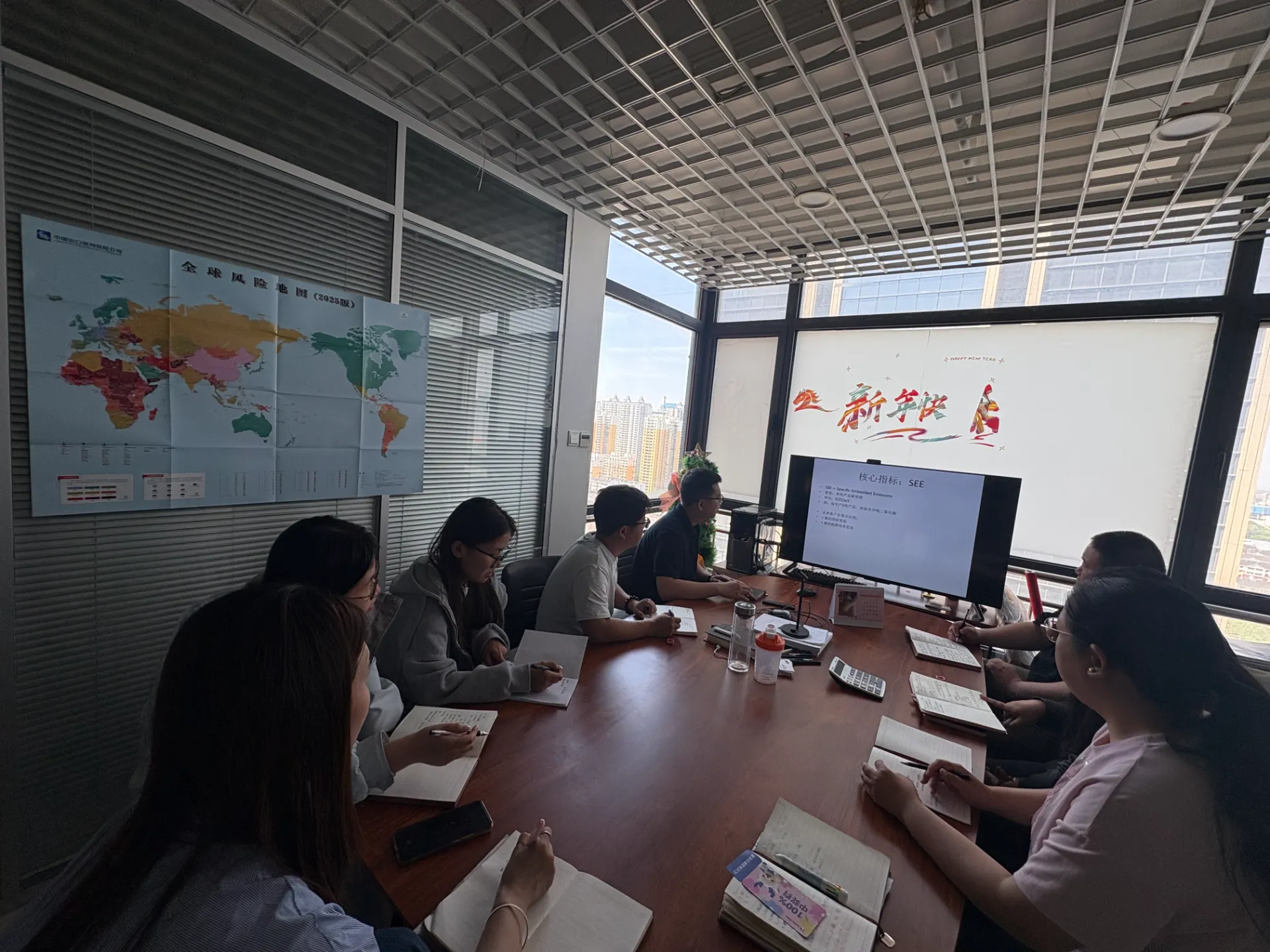
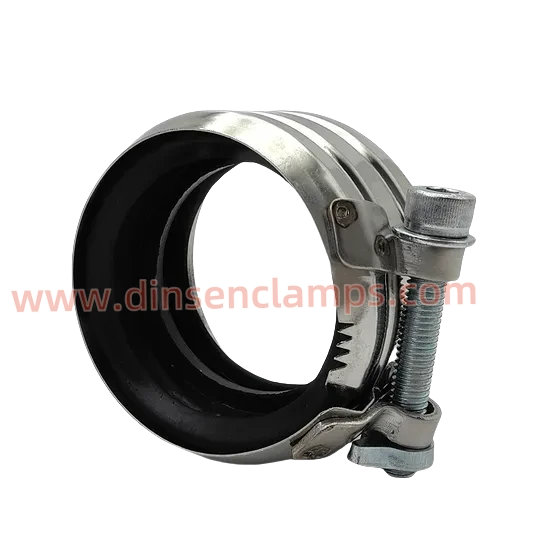
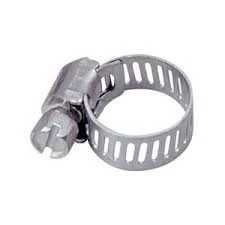
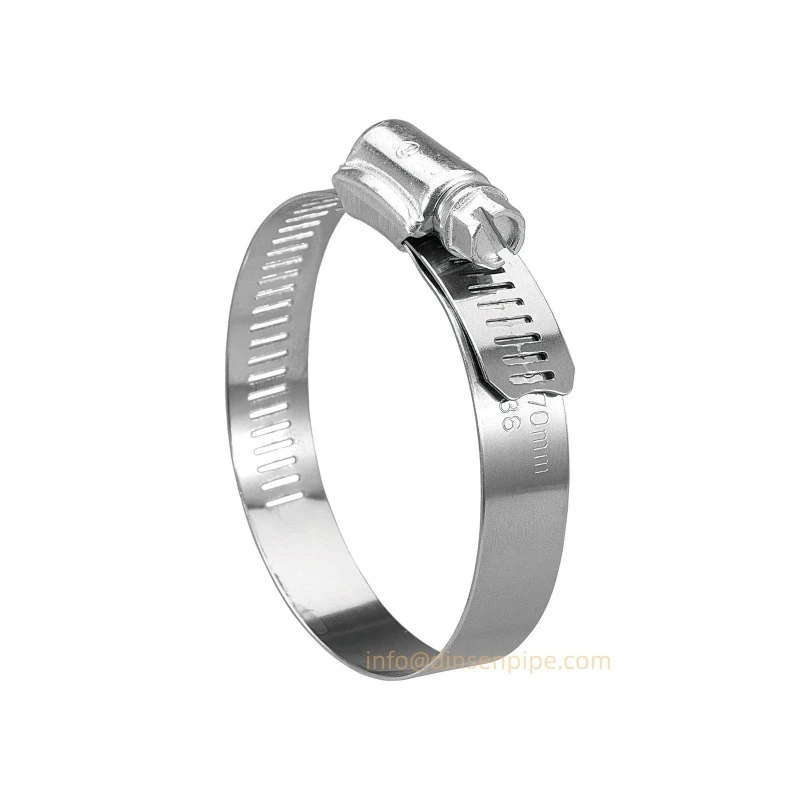
According to the latest EU regulations, the price of CBAM certificates is linked to the EU ETS carbon price. The certificate price for the first quarter of 2026 is set at €75.36 per tonne of CO2 equivalent. The calculation of the final cost of CBAM follows a strict logic, which can be illustrated with an example: DINSEN's stainless steel worm gear hose clamps. The production of a high-quality abrazadera de manguera involves multiple processes, including steelmaking, rolling, stamping, and galvanizing. For CBAM declarations, the product is considered complex, and its carbon emissions include not only the electricity consumption of the production line but also the carbon emissions from its precursor raw materials (stainless steel strip).
According to leaked EU draft benchmarks, the default benchmark for similar steel products could be as high as 1.5 tons of CO₂e/ton of product.
Returning to our core question: "Who will pay for CBAM?" On the surface, EU importers purchase CBAM certificates and submit them to EU authorities. However, in actual business negotiations, this cost will inevitably be passed on. How will EU importers choose?
They will prioritize suppliers with transparent carbon emission data. If Chinese suppliers (such as DINSEN) can provide low-carbon actual emission data, the cost to EU importers will be lower.
For Chinese companies, this is both a severe challenge and a rare opportunity. Companies like DINSEN, which have proactively implemented carbon data management and green production, are transforming the CBAM "barrier" into a new "competitive advantage." If you are an EU importer looking for a supplier that can guarantee product quality and provide accurate, low-carbon emission data—LA GUARIDA is your best choice.
-
Torque Test of DINSEN Single Ear ClampNoticiasMay.21,2026
-
DINSEN Pre-Shipment Quality Inspection for Hose ClampsNoticiasMay.19,2026
-
316 Marine Grade Hose Clamps for Boats: Solve Rust Problems with Salt Spray Test Report – China Factory DINSENNoticiasMay.13,2026
-
Honoring Every Worker|DINSEN 2026 Labor Day Holiday NoticeNoticias30 de abril de 2026
-
Water Leaking at Home, Hose Slipping Off, Joint Dripping? Choose the Right Hose ClampsNoticiasApr.21,2026
-
How Can a Leaking DI Pipe be Repaired without Shutting it Off?NoticiasApr.16,2026
-
What is the difference between 'Hose clamps' and 'Hose Clips'?NoticiasApr.08,2026