
How to Choose the Right Metal Tube Clamp for Your Project
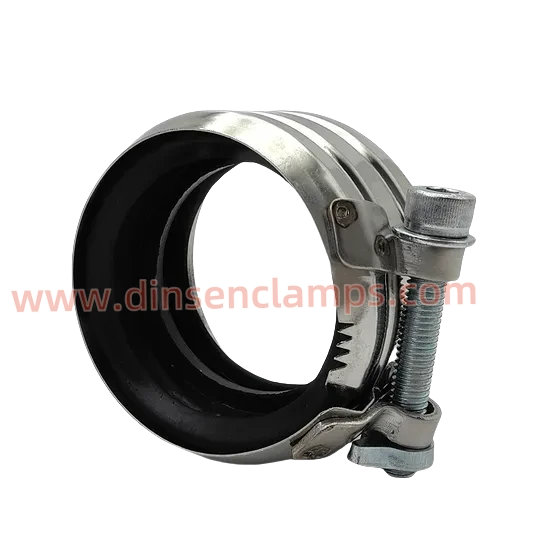
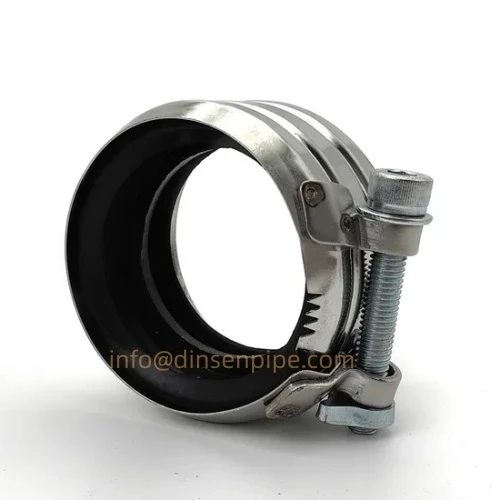
Galvanised pipe clamp with sound insulation and quick closure for high productivity in light-duty applications. Support system available with these specifications: 1/4 to 2 in. (6 to 25 mm), 304 or 316 stainless steel hardware material; Polypropylene, 303, 304, or 316 stainless steel, carbon steel, 316 stainless steel clamp with polypropylene cushion, polyamide, CF8M body material.
Types of Metal Tube Clamps
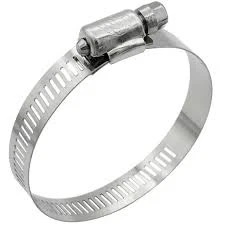
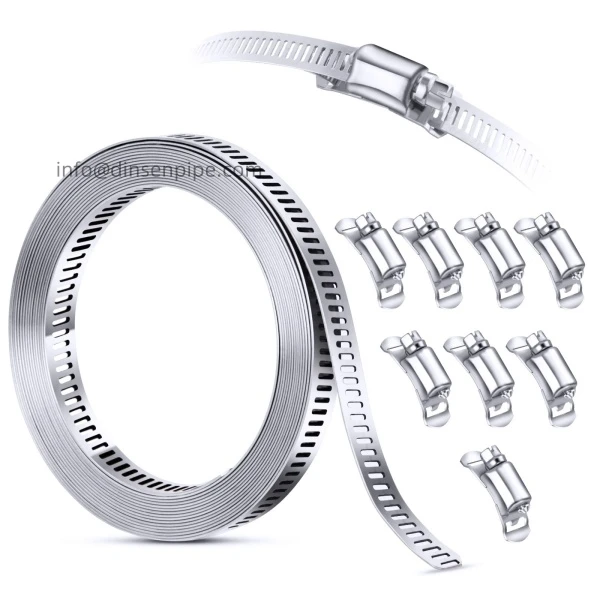
1. Stainless Steel American Hose Clamps
Dihasilkan dengan takuk tambahan dalam jalur untuk julat lanjutan.
Band: Mikro: 5/16" Keluli Tahan Karat - Standard: 1/2" Keluli Tahan Karat
Perumahan: Keluli Tahan Karat Gred 301/302
Skru: Mikro: Keluli Tahan Karat Kepala Hex 1/4" - Standard: Keluli Tahan Karat Kepala Hex 5/16"
Cemerlang untuk auto, marin dan industri.
Hubungi untuk harga pada saiz yang lebih besar.
Dibuat di Hebei, China.
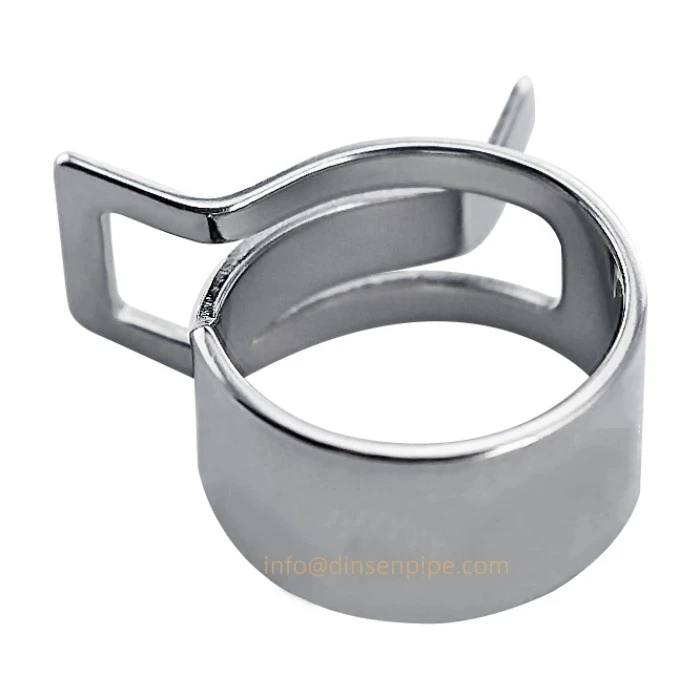
2. Aluminum Tube Clamps
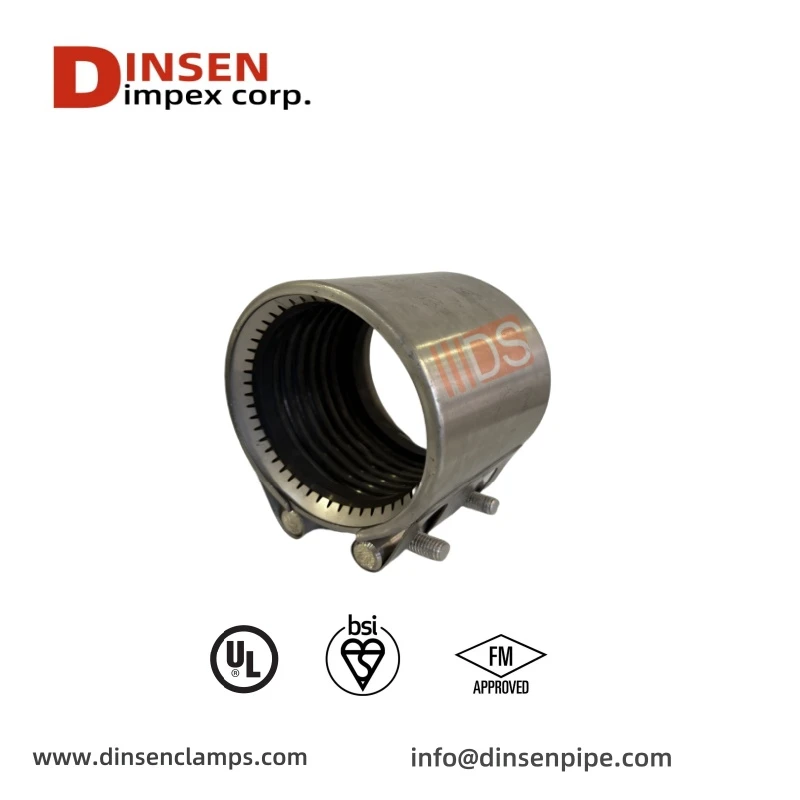
3. Galvanized Tube Clamps
Factors to Consider When Choosing a Metal Tube Clamp
Pipe Diameter and Tolerance Matching: The clamp size must precisely match the outer diameter of the pipe. If the size is mismatched, the necessary preload cannot be generated, leading to axial slippage. High-quality pipe clamps (such as DINSEN's tube clamp) will be marked with the precise diameter to ensure a perfect fit.
Material and Environmental Compatibility:
Stainless Steel: Suitable for marine environments, chemical plants, and other scenarios requiring high corrosion resistance. Its design often prevents moisture buildup and is heat-resistant.
Aluminum Alloy: Lightweight and corrosion-resistant, typically with good heat dissipation, suitable for general industrial environments.
Carbon Steel: High strength, usually requires galvanizing or painting for rust prevention, suitable for dry indoor environments.
Elastomer Lining: If the system requires additional vibration damping or protection of the pipe surface, clamps with an internal polypropylene (PP) or polyamide (PA) lining can be selected. It is important to note that different plastics have different oil and temperature resistance properties, and selection should be based on specific needs.
Installation Tips for Metal Tube Clamps:
Check Pre-assembly: Before installation, ensure all pipe clamp components (such as covers and bolts) are present. For some specially designed pipe clamps, it may be necessary to puncture pre-drilled film or clean the mounting holes before installation.
Alignment and Spacing: Pipe clamp supports must be installed near elbows, joints, or valves. Based on the pipe diameter and system assembly, follow industry standards to set appropriate support spacing to avoid pipes being suspended.
Symmetrical Tightening: For double-bolt pipe clamps, use a torque wrench to alternately and symmetrically tighten the bolts to the manufacturer's recommended torque value. This not only ensures sufficient clamping force but also prevents localized stress caused by uneven force distribution.
Pre-tightening Torque Control: The bolt tightening torque is crucial. Too little torque will prevent the pipe clamp from providing sufficient holding force; too much torque may cause bolt breakage or pipe clamp deformation. Always refer to the technical parameters provided by reputable manufacturers such as DEN.
Choosing the right metal pipe clamps is an investment that ensures the long-term stable operation of a project. From precise size matching and appropriate material selection to standardized installation procedures, every detail is crucial.
-
How Can a Leaking DI Pipe be Repaired without Shutting it Off?BeritaApr.16,2026
-
What is the difference between 'Hose clamps' and 'Hose Clips'?BeritaApr.08,2026
-
DINSEN Powers Global Debut with Two Major Exhibitions – Strong Market EntryBeritaApr.02,2026
-
Best Suppliers of EPDM Rubber Gaskets Compliant with EN681BeritaApr.01,2026
-
Will Stainless Steel Pipe Clamps React with Copper PipesBeritaMar.30,2026
-
What Metal is Used for Pipes in Plumbing in HousesBeritaMar.25,2026
-
Saudi Aramco cuts oil supply to Asia Amid Strait of Hormuz TensionsBeritaMar.23,2026
 Malay
Malay  English
  Arabic
  Bengali
  Bosnian
  China
China  Danish
  Dutch
Dutch  French
  German
  Hausa
Hausa  Hindi
Hindi  Italian
  Japanese
  Javanese
  Portuguese
  Russian
  Spanish
  Urdu
Urdu  Vietnamese