
Can You Use a Rubber Hose Fuel Injection?
When working on modern vehicles or high-performance engines, one of the most common questions among DIY mechanics and professionals alike is: Can you use a rubber hose for fuel injection? The short answer is yes, but only if it is the specific type of rubber hose designed for high-pressure fuel injection systems. Equally important is the hardware you use to secure it—specifically, the hose clamp. Using the wrong combination of hose and clamp is a recipe for disaster, leading to dangerous fuel leaks or even engine fires
In this guide, we’ll explore the technical requirements of fuel injection hoses and why upgrading to a high-quality solution like the DINSEN rubber hose clamp is critical for safety and performance.
Fuel injection systems—whether throttle-body or multi-port—operate at significantly higher pressures, usually ranging from 30 to 60 PSI in return-style systems, and even higher in modern returnless systems. If you use a standard low-pressure hose on a fuel injection system, the rubber lacks the necessary reinforcement to contain that pressure. It can swell, soften, and eventually burst. This is why Fuel Injection (EFI) hoses are constructed with much more braided reinforcement (like polyester or aramid fiber) built into the rubber to withstand the high pressure
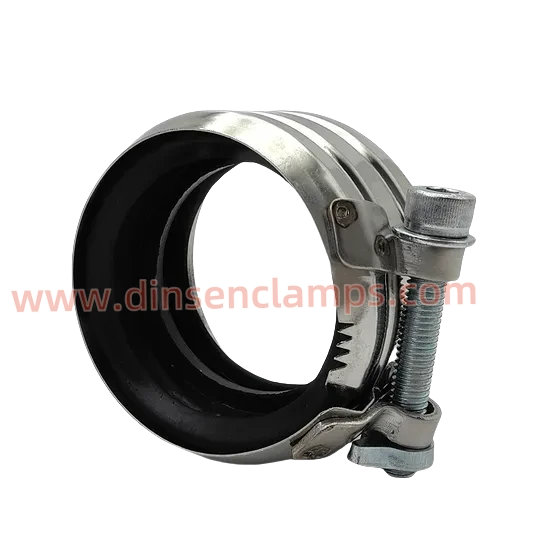
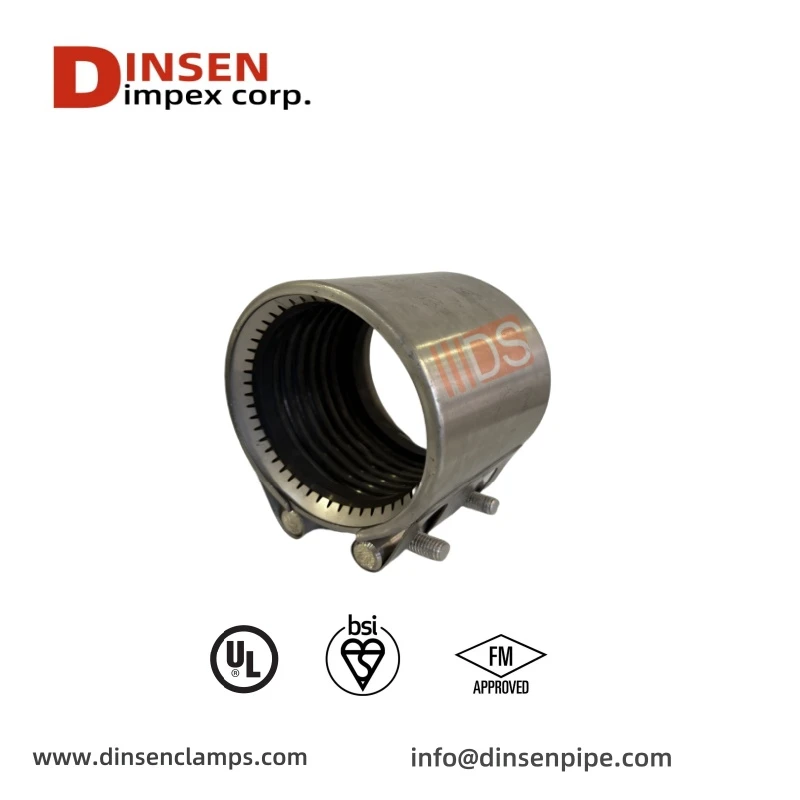
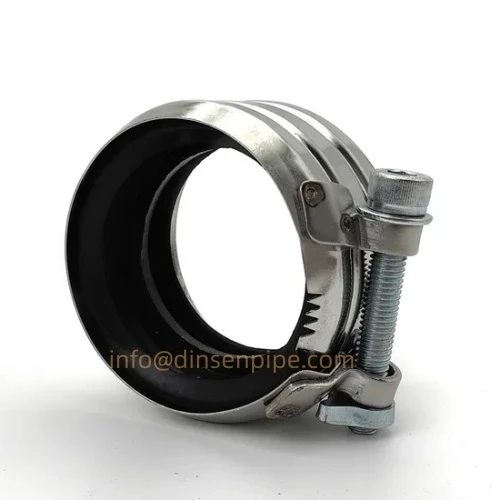
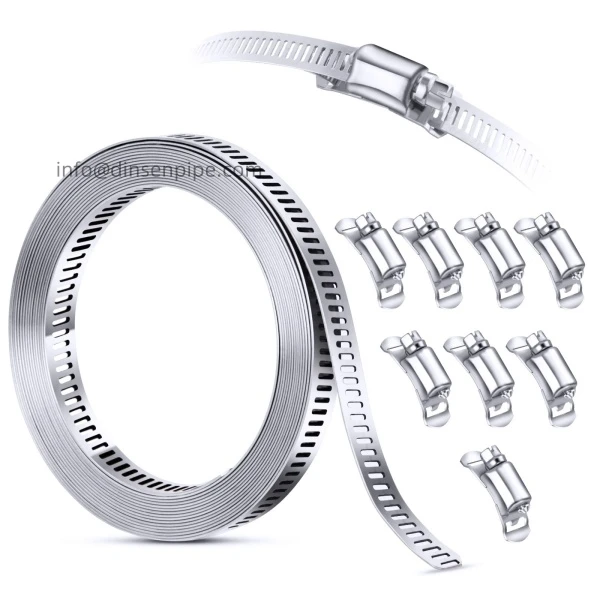
When securing a fuel injection line, you need a clamp that provides a 360-degree seal without damaging the hose. This is where the DINSEN rubber hose clamp line excels. Designed with the specific needs of high-pressure systems in mind, DINSEN clamps offer the reliability required for modern engines.Here’s why choosing the right slangeklemme, like those from DINSEN, is essential:
- 1. Rolled-Edged Design for Hose Protection
2. Corrosion Resistance
3. Consistent Torque - So, can you use a rubber hose for fuel injection? Yes, but with conditions. You must use a hose specifically rated for fuel injection (look for SAE 30R14 or equivalent standards) to handle the high pressure However, the hose is only half the battle. DINSEN rubber hose clamp to ensure that your fuel injection connections are secure, leak-free, and built to last.
-
How Can a Leaking DI Pipe be Repaired without Shutting it Off?NyhederApr.16,2026
-
What is the difference between 'Hose clamps' and 'Hose Clips'?NyhederApr.08,2026
-
DINSEN Powers Global Debut with Two Major Exhibitions – Strong Market EntryNyhederApr.02,2026
-
Best Suppliers of EPDM Rubber Gaskets Compliant with EN681NyhederApr.01,2026
-
Will Stainless Steel Pipe Clamps React with Copper PipesNyhederMar.30,2026
-
What Metal is Used for Pipes in Plumbing in HousesNyhederMar.25,2026
-
Saudi Aramco cuts oil supply to Asia Amid Strait of Hormuz TensionsNyhederMar.23,2026
 Danish
  English
  Arabic
  Bengali
  Bosnian
  China
China  Dutch
Dutch  French
  German
  Hausa
Hausa  Hindi
Hindi  Italian
  Japanese
  Javanese
  Malay
Malay  Portuguese
  Russian
  Spanish
  Urdu
Urdu  Vietnamese